


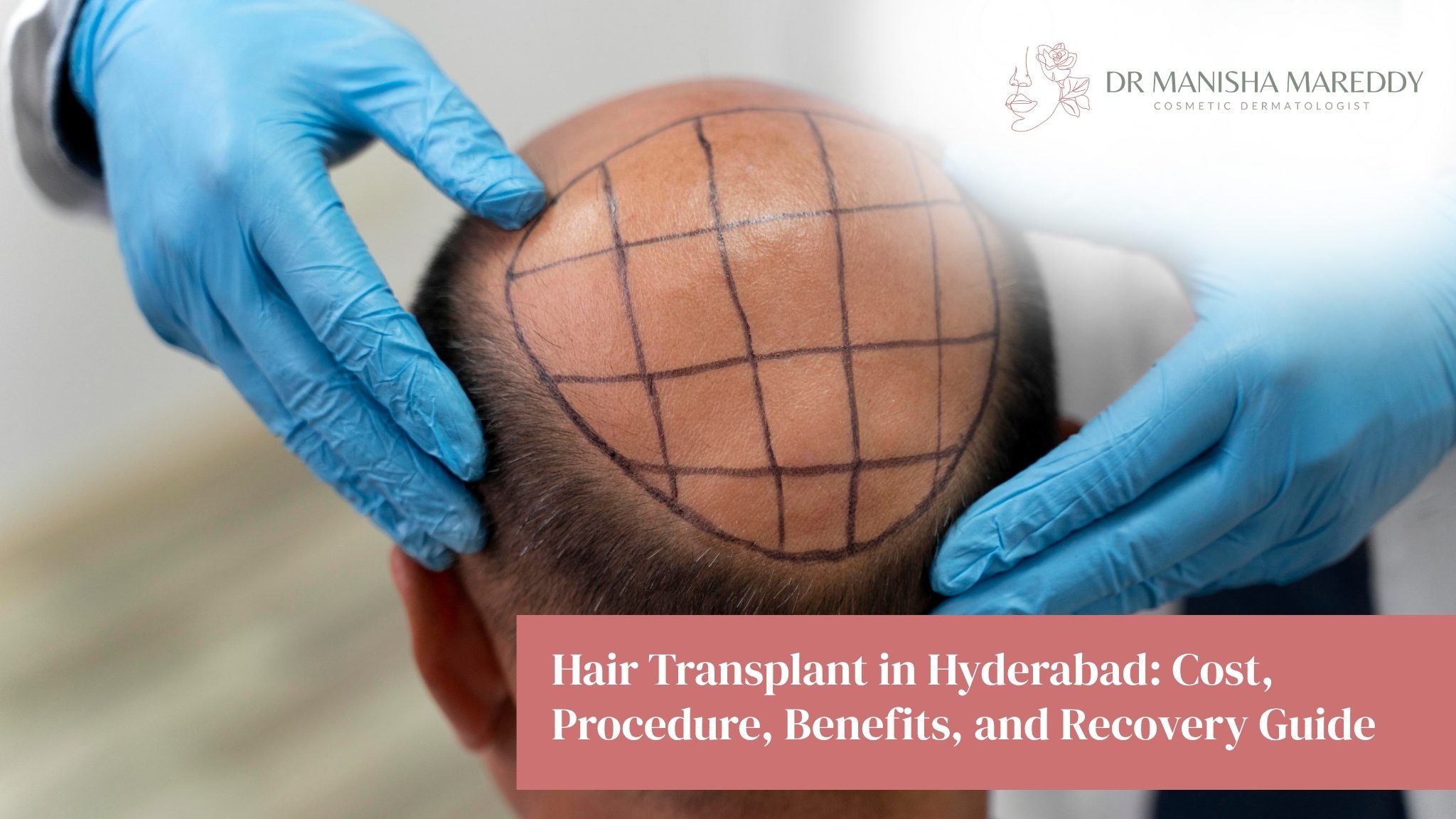
Hair loss can affect more than just your appearance. For many people, a receding hairline, thinning crown, or noticeable bald patches can impact confidence and self-esteem. With advancements in dermatology and hair restoration techniques, hair transplant in Hyderabad has become an option for individuals looking for a long-term solution to permanent hair loss.
A hair transplant is a surgical procedure that involves transferring healthy hair follicles from a donor area, usually the back or sides of the scalp, to areas experiencing hair thinning or baldness. When performed on suitable candidates by qualified professionals, it can help restore natural-looking hair density and improve overall hair appearance.
However, choosing the right treatment requires understanding the cause of hair loss, the available procedures, treatment costs, and recovery expectations. Consulting an experienced dermatologist in Hyderabad can help you understand your hair condition and explore appropriate hair restoration options.
In this guide, we will discuss everything you need to know about hair transplant procedures, their benefits, costs, recovery, and factors to consider before undergoing treatment.
What Is a Hair Transplant?
A hair transplant is a minimally invasive surgical procedure used to treat certain types of permanent hair loss, particularly androgenetic alopecia (male or female pattern hair loss).
During the procedure, hair follicles are collected from an area of the scalp with sufficient hair growth, known as the donor area, and transplanted into areas where hair density has reduced.
Unlike temporary hair restoration solutions, a hair transplant relocates existing healthy hair follicles. The transplanted follicles can continue producing hair after successful healing, although results vary depending on individual factors.
People experiencing hair thinning should first identify the underlying cause. A consultation with a hair specialist in Hyderabad can help determine whether medical hair loss treatment, hair regrowth procedures, or surgical hair restoration may be appropriate.
Who Is an Ideal Candidate for Hair Transplantation?
Hair transplantation is not suitable for everyone experiencing hair loss. A proper scalp examination and medical evaluation are necessary before considering surgery.
You may be a potential candidate if you:
- Have permanent hair loss due to hereditary or pattern baldness.
- Experience a receding hairline or thinning crown.
- Have sufficient healthy donor hair follicles.
- Have stable hair loss or a predictable pattern of progression.
- Are in generally good health and suitable for surgery.
- Have realistic expectations regarding hair density and appearance.
People experiencing sudden hair shedding, patchy hair loss, scalp infections, or active inflammatory scalp conditions may require medical treatment before considering transplantation.
A consultation with a hair loss specialist in Hyderabad can help identify the cause of hair loss and determine the most appropriate treatment approach.
Different Types of Hair Transplant Procedures
Two commonly performed hair transplantation techniques are Follicular Unit Extraction (FUE) and Follicular Unit Transplantation (FUT).
1. Follicular Unit Extraction (FUE)
FUE is a hair transplantation technique in which individual hair follicular units are extracted from the donor area using specialised instruments.
The extracted follicles are then implanted into the areas experiencing hair loss.
Benefits of FUE:
- Individual hair follicles are extracted without removing a strip of scalp.
- Leaves small extraction marks rather than a long linear scar.
- Generally involves a relatively quicker initial recovery.
- Suitable for patients who prefer shorter hairstyles.
- Allows the surgeon to distribute hair follicles according to the planned hairline and density.
FUE is commonly considered by individuals looking for natural-looking hair restoration with minimal visible scarring.
2. Follicular Unit Transplantation (FUT)
FUT, also known as the strip method, involves removing a small strip of skin containing healthy hair follicles from the donor area.
The strip is carefully divided into individual follicular units, which are then transplanted into the recipient area.
Benefits of FUT:
- Can provide a substantial number of grafts in one session.
- Makes efficient use of suitable donor hair.
- May be appropriate for selected patients requiring extensive coverage.
- Preserves individual follicular units for transplantation.
Unlike FUE, FUT generally leaves a linear scar in the donor area. The suitability of either technique depends on the patient’s scalp condition, donor hair availability, and restoration goals.
Hair Transplant Procedure: Step-by-Step Process
Understanding the procedure can help you feel more confident before undergoing hair restoration surgery. Although the exact process varies depending on the technique and individual requirements, the general steps include the following.
Step 1: Initial Consultation and Scalp Evaluation
The first step involves consulting a qualified dermatologist or hair transplant surgeon. The specialist evaluates your scalp, hair density, donor area, medical history, and pattern of hair loss.
A detailed assessment helps determine the number of grafts required and whether transplantation is an appropriate option.
Step 2: Donor Area Preparation
The donor area is generally located at the back or sides of the scalp. The area is cleaned and prepared before the extraction process.
Local anaesthesia is administered to minimise discomfort during the procedure.
Step 3: Hair Follicle Extraction
Depending on the selected technique, individual follicular units are extracted using specialised instruments or collected from a donor strip.
The extracted follicles are carefully handled and prepared for transplantation.
Step 4: Recipient Area Preparation
The surgeon creates tiny openings in the recipient area according to the planned hairline, direction, and angle of natural hair growth.
Proper placement is important for achieving natural-looking results.
Step 5: Hair Follicle Implantation
The extracted hair follicles are carefully implanted into the prepared recipient areas.
The surgeon focuses on achieving an appropriate distribution of grafts while preserving the natural appearance of the hairline.
Step 6: Post-Procedure Care
After transplantation, patients receive instructions regarding scalp cleaning, medication, sleeping positions, and activities to avoid.
Following these instructions is essential for proper healing and graft survival.
Hair Transplant Cost in Hyderabad
One of the most common questions people ask before undergoing treatment is: How much does a hair transplant cost in Hyderabad?
The hair transplant cost in Hyderabad depends on several factors, including the number of grafts required, the transplantation technique, the surgeon’s experience, and the clinic’s facilities.
The following figures are indicative 2026 market estimates, not confirmed prices from Dr. Manisha Mareddy’s clinic.
| Procedure | Indicative cost |
|---|---|
| FUT | ₹20,000–₹1,15,000 |
| FUE | ₹35,000–₹1,65,000 |
| DHI | ₹55,000–₹2,75,000 |
Actual costs may vary considerably depending on the number of grafts and treatment requirements. Cost of Hair Transplant+2
Factors That Influence Hair Transplant Pricing
1. Number of Grafts Required
The number of grafts required depends on the size of the bald area, hair density, and desired coverage. Larger treatment areas generally require more grafts and increase the overall cost.
2. Transplantation Technique
FUE, FUT, and DHI involve different surgical approaches and equipment. The selected technique can significantly influence the final price.
3. Surgeon’s Experience
The surgeon’s qualifications, experience, involvement in the procedure, and expertise in hairline design are important considerations.
4. Clinic Infrastructure
The facilities, equipment, hygiene standards, and medical support available at the clinic may also influence the treatment cost.
5. Additional Treatment and Follow-Up
Pre-procedure investigations, medications, post-procedure consultations, and recommended follow-up treatments may contribute to the overall expense.
Before selecting a clinic, always request a detailed cost breakdown and understand what is included in the treatment package.
Benefits of Hair Transplantation
Hair transplantation offers several potential benefits for individuals experiencing permanent hair loss.
1. Natural-Looking Hair Restoration
When performed with proper planning and technique, transplanted hair can blend with existing hair and create a natural-looking appearance.
2. Long-Term Hair Restoration
Transplanted follicles taken from suitable donor areas are generally more resistant to pattern hair loss. They can continue producing hair over the long term, although individual results vary.
3. Improved Confidence
Restoring hair density may help individuals feel more comfortable with their appearance and improve self-confidence.
4. Personalised Hairline Design
The hairline can be planned according to facial structure, age, existing hair density, and individual preferences.
5. Reduced Dependence on Temporary Cosmetic Solutions
For suitable candidates, transplantation can provide a long-term restoration option rather than relying exclusively on temporary cosmetic approaches.
However, transplanted hair does not prevent existing non-transplanted hair from thinning. Continued medical management may be necessary.
Hair Transplant Recovery Timeline: What to Expect
Recovery is an important part of the hair transplantation journey. Understanding the healing stages can help you prepare for the procedure and follow the necessary precautions.
First 24–48 Hours
Mild swelling, redness, tenderness, and discomfort may occur around the treated areas.
Patients should follow the surgeon’s instructions regarding medication, scalp protection, and sleeping positions.
First Week
Small scabs may develop around the transplanted follicles. Mild itching and redness are also common during the initial healing period.
Avoid scratching, rubbing, or disturbing the transplanted area.
Second Week
Most visible scabbing generally begins to settle. The scalp gradually heals, although individual recovery timelines differ.
Follow your surgeon’s guidance before returning to strenuous exercise or activities that cause excessive sweating.
First Month
Some transplanted hair shafts may shed during this stage. This is commonly called shock loss or post-transplant shedding and is generally an expected part of the hair growth cycle.
The follicles may remain in place even when the visible hair shafts fall out.
Three to Four Months
New hair growth may begin to become noticeable. Initially, the hair may appear thin or uneven.
Hair growth happens gradually, so patience is important.
Six to Nine Months
Hair density and coverage may become more noticeable as additional transplanted follicles enter the growth phase.
Twelve to Eighteen Months
Many patients see substantial results within 12 months, although crown growth can take longer. Final outcomes vary depending on individual hair growth cycles, graft survival, and the extent of transplantation.
Important Precautions After Hair Transplantation
Following proper aftercare instructions helps support healing and reduce the risk of complications.
- Avoid touching or scratching the transplanted area.
- Follow the recommended scalp washing routine.
- Avoid direct sunlight exposure during the initial healing period.
- Avoid strenuous physical activities until your surgeon permits them.
- Take prescribed medications as instructed.
- Avoid smoking during the recovery period, as advised by your doctor.
- Do not apply hair oils, styling products, or chemical treatments without medical approval.
- Attend all scheduled follow-up appointments.
Contact your treating doctor if you experience increasing pain, spreading redness, fever, pus, or other unexpected symptoms.
Hair Transplant vs Hair Regrowth Treatment: Which Is Better?
Not everyone experiencing hair loss needs a hair transplant. Depending on the underlying cause, non-surgical hair restoration treatments may be more appropriate.
| Hair Transplant | Hair Regrowth Treatment |
|---|---|
| Surgical procedure | Usually non-surgical |
| Transfers existing follicles | Aims to support existing hair follicles |
| Suitable for selected cases of permanent hair loss | May help selected cases of hair thinning |
| Requires surgical recovery | Generally involves less downtime |
| Results develop over several months | Results depend on treatment and underlying condition |
For people experiencing early-stage hair thinning, hair regrowth treatment in Hyderabad may be worth exploring after a proper scalp assessment.
Dr. Manisha Mareddy’s official website lists hair regrowth treatment, hair loss treatment, PRP hair treatment, and hair growth factor treatment among its services. Hair transplantation is not explicitly listed as an offered service on the website, so patients should confirm surgical availability or seek an appropriate hair transplant surgeon if they are considering surgery.
Can Hair Loss Be Treated Without a Hair Transplant?
Yes. Depending on the cause and severity of hair loss, several non-surgical treatment options may help manage the condition.
PRP Hair Treatment
Platelet-Rich Plasma (PRP) treatment involves using a concentrated preparation of platelets obtained from the patient’s blood. It is injected into selected areas of the scalp to support hair growth in certain types of hair loss.
Learn more about PRP hair treatment in Hyderabad and whether it may be appropriate for your hair condition.
GFC Hair Treatment
Growth Factor Concentrate (GFC) is another blood-derived treatment used in selected cases of hair thinning. It involves preparing a concentrated growth-factor solution and administering it into the scalp.
Its effectiveness varies, and it should not be considered a guaranteed replacement for hair transplantation.
Medical Hair Loss Treatment
Certain medications may help slow hair loss or improve hair density, depending on the underlying diagnosis.
A dermatologist may recommend topical or oral treatments based on your medical history, hair loss pattern, and treatment requirements.
Scalp and Hair Care Treatment
Scalp conditions such as dandruff, inflammation, and infections can contribute to hair-related concerns. Treating these conditions is important for maintaining scalp health.
A professional hair loss treatment in Hyderabad consultation can help identify the underlying problem and guide treatment decisions.
Why Consult Dr. Manisha Mareddy for Hair and Scalp Concerns in Hyderabad?
Choosing the right dermatologist is an important step when dealing with hair loss and scalp-related concerns.
Dr. Manisha Mareddy is a cosmetic dermatologist, dermatosurgeon, and trichologist practising at Shlok Dermatology & Wellness in Hyderabad. She holds an MBBS and MD in Dermatology, Venereology and Leprosy, along with specialised fellowship training in cosmetic dermatology and dermatologic laser surgery.
Her approach focuses on understanding individual skin and hair concerns and recommending personalised treatment plans.
The clinic’s website highlights several hair-related services, including:
- Hair regrowth treatment
- Hair loss treatment
- PRP hair treatment
- Hair growth factor treatment
- Scalp dandruff treatment
Individuals experiencing hair thinning or excessive shedding can consult a dermatologist to understand their condition and explore suitable treatment options.
Clinic: Shlok Dermatology & Wellness
Location: Kokapet, Hyderabad
Website: Dr. Manisha Mareddy – Official Website
Frequently Asked Questions About Hair Transplant in Hyderabad
1. How much does a hair transplant cost in Hyderabad?
The cost depends on the number of grafts, surgical technique, surgeon’s experience, and clinic facilities. Indicative prices can range from approximately ₹20,000 to over ₹2 lakh depending on the procedure and treatment requirements.
2. Is a hair transplant a permanent solution?
Transplanted follicles from suitable donor areas can provide long-lasting hair growth. However, existing non-transplanted hair may continue to thin over time. Maintenance treatment may be recommended.
3. Is FUE better than FUT?
Both techniques have advantages. FUE involves individual follicle extraction and generally leaves small scattered scars, whereas FUT involves removing a strip of scalp and typically leaves a linear scar. The appropriate method depends on donor hair availability and individual requirements.
4. Is hair transplantation painful?
Local anaesthesia is generally used during the procedure to minimise discomfort. Some patients may experience mild soreness, swelling, or tenderness after treatment.
5. How long does it take to see hair transplant results?
Initial hair growth may become noticeable around three to four months after the procedure. More visible improvements generally develop over six to twelve months, with some patients requiring up to eighteen months for fuller results.
6. Can women undergo hair transplantation?
Yes. Women with selected types of permanent hair loss may be suitable candidates. However, the underlying cause of thinning must be evaluated because hormonal conditions, nutritional deficiencies, and diffuse hair loss may require different treatments.
7. Can PRP treatment replace a hair transplant?
PRP and hair transplantation serve different purposes. PRP may support hair growth in selected patients with thinning hair, whereas transplantation relocates follicles into areas with permanent hair loss. Neither treatment is suitable for every individual.
8. Does transplanted hair fall out after surgery?
The transplanted hair shafts commonly shed during the first few weeks after surgery. This is usually temporary, and new hair growth can develop over the following months.
9. How many grafts are required for a hair transplant?
The number depends on the extent of hair loss, donor hair density, recipient area, and desired coverage. A scalp examination is necessary to estimate the required graft count.
10. When can I return to work after a hair transplant?
Many people can return to desk-based work within a few days, depending on the procedure and recovery. Jobs involving strenuous physical activity may require a longer break based on the surgeon’s advice.
Conclusion
Hair transplantation can be an effective option for individuals experiencing certain types of permanent hair loss. With techniques such as FUE and FUT, suitable candidates can achieve natural-looking hair restoration and improved hair density.
However, understanding the cause of hair loss is essential before choosing any treatment. Factors such as donor hair availability, treatment technique, surgical expertise, cost, and post-procedure care all influence the overall outcome.
If you are experiencing hair thinning, excessive shedding, or a receding hairline, consider consulting a qualified dermatologist to understand your condition. Dr. Manisha Mareddy offers specialised hair and scalp treatments in Hyderabad, helping patients explore suitable options based on their individual concerns.
The right approach begins with an accurate diagnosis, realistic expectations, and a personalised treatment plan.